Legal Technical Debt
Technical debt as a lens on a Supreme Court term, and Congress’s duct tape.
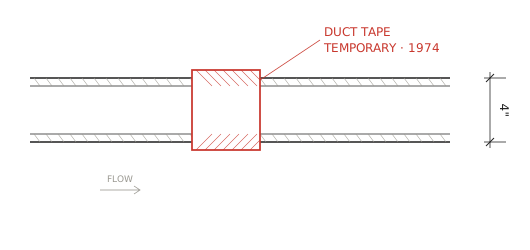
In tech companies, there’s a sandtrap called “technical debt.”
Imagine you’re a fast-moving startup. You slap some code or systems together with just enough duct tape that it works, and move on to the next thing. Because there are always so very, very many next things.
But that slapped-together solution? It was never meant to be permanent.
Maybe it was built with janky code. Maybe we all knew it wouldn’t scale. Maybe it was so fiddly that it would require constant tinkering until the end of time.
Your short-term solution becomes your long-term debt. And, when it’s least convenient, it bites you in the ass.
Legal technical debt has been a factor in many SCOTUS rulings this year. Agree with them or not, several decisions addressed issues previously decided on constitutionally shaky ground.
If I was an idealist, I’d believe these rulings might lead to more-careful crafting of laws in the future. Less duct tape, more resilience.
But I don’t think that’ll happen.
What I do think is that, in aggregate, this year’s rulings highlight Congress’s responsibility to legislate on tough issues that are important to hundreds of millions of Americans.
And if they can’t get done what you The People want to get done? Then you can vote yourself a new Congress.
Greg W. Brooks. First published on Facebook, June 30, 2022.